Paradox-as-Praxis
Paradox-as-Praxis is not a finished model but a shared orientation that becomes real only through collective experimentation. Our wish is not to export a method but to join existing communities of practice in exploring how paradox, dialogue, and creativity can inspire and renew social and institutional life. Through collaboration, we hope to nurture a wider ecology of inquiry in which Social Sculpture becomes a practice of governance as much as of art and education.
Together we can learn how to hold tension as a source of vitality, how to keep the question of the good open, and how to reimagine communities and institutions as living artworks that breathe through difference and renewal.
Three Braided Fields of Praxis
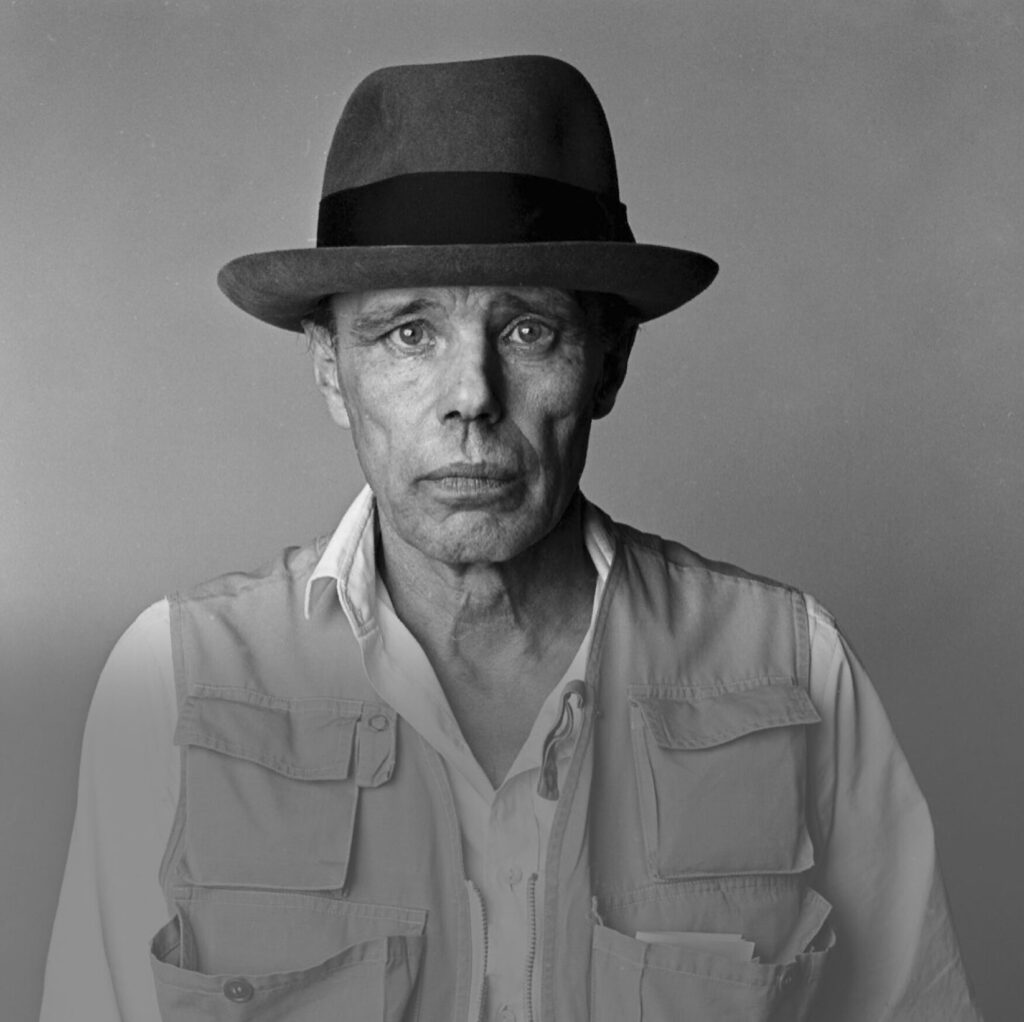
Artistic Praxis
In artistic praxis, form, attention, embodiment, and material practice are treated as sites of thinking. The studio is not a metaphor for creativity; it is a way of working that allows what is tacit to become perceivable, especially when the most consequential dynamics are defended, politically charged, or difficult to approach through ordinary institutional language. Studio propositions, spatial scores, movement, writing, image-making, and other material practices enable a group to encounter what is present without immediately forcing it into explanation, argument, or solution, which often helps people recognise what they already sense but cannot yet name. Artistic research names this disciplined mode of inquiry, where knowledge emerges through sensing, making, composing, and revising. In this work, patterns can be perceived before they are fully conceptualised, and new questions can arise without being reduced to familiar binaries or premature clarity, so that the range of possible action expands without losing fidelity to lived experience.

Pedagogical Praxis
In pedagogical praxis, learning is held as relational, historical, and inseparable from power and consequence. Critical pedagogy, dialogical action, and problematisation give the work its ethical spine by resisting false harmony and by refusing the substitution of performative dialogue for real learning. Dialogue here is not simply conversation; it is a discipline of attention and responsibility that reshapes what becomes sayable, thinkable, and doable together, including who gets to speak, which forms of knowledge are treated as credible, and how vulnerability, shame, and authority shape participation. Problematisation keeps the work honest by slowing the rush to solutions and supporting a group to name the situation more truthfully, including emotional undercurrents and asymmetries that are often carried in silence. The aim is not consensus, but a growing collective capacity to remain in relationship under pressure while staying accountable to consequences, so that action grows from clarity-with-complexity rather than from slogans.
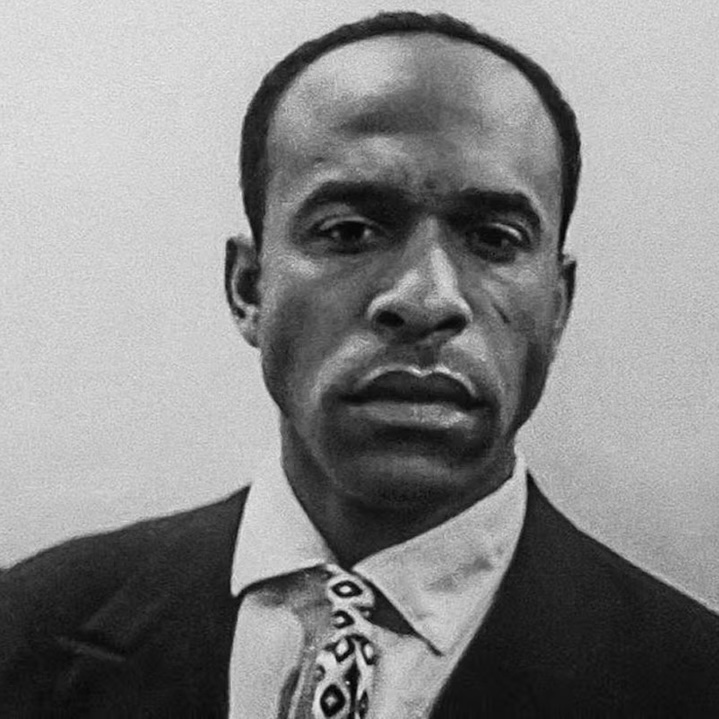
Governance Praxis
In governance praxis, responsibility is carried over time through decisions, roles, rhythms, and the everyday choreography of authority and participation, and it is here that learning either becomes durable or evaporates. The institutional field is shaped through repeated patterns of what becomes speakable, what is rewarded or punished, how conflict is handled when it reaches the point of decision, and whether repair is possible when things go wrong, even when these patterns are rarely named as “governance.” A decolonial lens sharpens this further, since coloniality is reproduced through procedures and norms as much as through explicit ideology, including whose knowledge is treated as credible, whose voice is coded as “professional,” whose time and emotional labour is extracted, and how accountability and risk are distributed. Attending to governance as practice therefore includes noticing how decisions are prepared, how participation is enabled or quietly foreclosed, and how institutional comfort is protected at someone else’s expense, because the forms through which people meet, decide, and follow through continually shape belonging, legitimacy, and trust, and therefore shape what kind of collective life becomes possible.

Why Paradox?
Paradox is not a clever lens we apply to a situation. It is what people are already living whenever they try to act with care in conditions of uncertainty, difference, constraint, and consequence. Safety and risk, care and critique, freedom and responsibility, inclusion and boundaries, structure and emergence, the individual and the collective do not resolve neatly, and attempts to tidy them away often produce polarisation, proceduralisation, or exhaustion. Paradox-as-praxis begins when a group stops trying to eliminate these tensions and instead learns to stay with them in ways that increase honesty, skill, and shared responsibility.
Keeping the complex complex

Keeping the complex as complex refuses premature closure rather than clarity. Under pressure, groups often reach for forms that promise control, and those forms can narrow what can be thought, felt, or said. Paradox-as-praxis strengthens the capacity to remain with uncertainty long enough for something more truthful to emerge, without drifting into vagueness and without collapsing into rigid certainty. Problematisation sits inside this discipline, because it slows the rush to solutions and supports people to name what is happening with greater precision, including histories, unspoken agreements, emotional undercurrents, and power relations that shape what can be said and done, so that the situation becomes more collectively seeable and therefore more workable.
Dialogical Action & Social Sculpture

Dialogical action is a discipline of attention and responsibility that reshapes what becomes sayable, thinkable, and doable together, and it supports disagreement without automatic rupture, care without avoidance, and accountability without punishment. Problematisation is part of this discipline, since it keeps groups close to what is happening and resists solving what has not yet been properly named, while remaining answerable to who carries which costs and noticing when language functions as defence rather than as a bridge toward shared learning. Beuys’ understanding of social sculpture grounds this orientation in practice by naming how shared life is continuously being shaped through the forms of meeting, deciding, speaking, withholding, repairing, and carrying responsibility over time, so paradox is handled in the everyday choreography of participation rather than in theory.
Return, revision, and embodiment

Paradox-as-praxis becomes visible in details that are often treated as neutral, including how meetings are structured, how critique is held, how decisions are made, how conflict is metabolised, and how repair becomes possible, and small shifts in these everyday choreographies can change what becomes possible by increasing a group’s capacity to learn within tension rather than trying to remove it. Because paradox is ongoing, the work is carried through return and revision rather than closure, not as endlessness but as a rhythm through which learning deepens over time, capacity is cultivated through practice, and groups become more able to stay present with complexity, to hold one another to account without humiliation, and to shape their shared world with more honesty, skill, and care.
